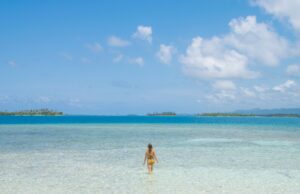
Guna Yala territory isn’t just a tropical paradise – it’s a self-governing indigenous realm where traditional laws shape every visitor’s experience. Unlike typical Caribbean destinations, these islands within the Guna Yala territory operate under a unique autonomous system where the Guna people control their land, resources, and cultural exchange. As travelers, understanding this special status transforms how we engage with these breathtaking islands in the Comarca Guna Yala.
What Makes Guna Yala Autonomous?
The Comarca Guna Yala operates unlike anywhere else in Panama. Established in 1938 after a historic revolution, this autonomous region spans about 400 islands along Panama’s Caribbean coast. The Guna people govern their territory through a congress system that makes collective decisions about everything from tourism to environmental protection.
The Historical Path to Autonomy
The road to self-governance for Guna Yala was paved through struggle. The 1925 Guna Revolution saw indigenous warriors fight for recognition of their sovereignty. This eventually led to the 1938 law that codified the territory’s special status. Today, visitors can see remnants of this history in the carefully preserved traditional villages like Gardi Sugdub, where oral histories keep these events alive.
In practice, this autonomy means:
– Guna authorities issue visitor permits at checkpoints
– Each island community sets its own rules for interaction
– Traditional leaders manage tourism activities and infrastructure
– Fishing and coconut harvesting follow ancestral regulations
Contemporary Governance Structure
Unlike many indigenous territories worldwide, Guna Yala maintains near-complete control over its affairs while remaining part of Panama. The territory’s congress meets regularly in the regional capital of Ustupu, addressing modern challenges while preserving traditions. Travelers participate in this delicate balance simply by being there – every tourist tax paid and souvenir purchased supports this system of indigenous self-determination.
Cultural Protocol for Visitors
Respecting Guna autonomy begins with understanding practical etiquette. During your boat trip experience, you’ll encounter these protocols:
- Photography permissions – Always ask before photographing people, especially women in traditional dress
- Restricted zones – Some islands remain completely closed to outsiders
- Economic participation – Purchasing crafts directly supports artisan families
- Environmental compliance – No removing seashells, fishing without permission, or damaging reefs
Understanding Sacred Spaces
Several islands in Guna Yala territory hold spiritual significance. Places like Ailigandi contain sacred sites where even local Guna must request access from spiritual leaders. Visitors should be particularly mindful of these areas, which are often marked by distinctive thatched structures or collections of ritual objects.
Language etiquette
While Spanish suffices for basic communication, learning a few words in Dulegaya (like “nuedi” for thank you) demonstrates respect. Many older community members prefer their native tongue, and attempts to use it often open doors to richer cultural exchanges.
Governance in Daily Island Life
The Guna governance system shines through in everyday details during your island stops:
1. Transportation logistics
Boat routes between islands follow traditional pathways established over generations. While modern boats may replace traditional cayucos for longer distances, local transportation still reflects communal decision-making dating back centuries in the Guna territory.
2. Island maintenance
Visit any inhabited island in Guna Yala and you’ll notice the immaculate coral sand and carefully managed palm groves. Each family maintains specific tree plantings through an ancient system of environmental stewardship called “sagla.” This sustainable approach has preserved the archipelago’s ecosystems for generations.
Community Decision Making
On larger islands like Narganá, visitors can observe the democratic processes at work. The Onmaggeddummad (Guna congress) convenes regularly in distinctive meeting houses to discuss issues from waste management to tourism policies. These sessions often stretch late into the night, with consensus reached through careful deliberation rather than quick votes.
The blending of traditional governance with modern tourism creates an experience unlike anywhere else in the Caribbean. Those who embrace this uniqueness in Guna Yala come away with far richer memories than just white sand and blue water. For a deeper dive, explore our guide to Guna traditions beyond the beach.
Why This System Matters
The Guna model represents a rare success story of indigenous self-determination within the Americas. While visiting the Guna Yala territory, you support:
- Language preservation (Dulegaya remains the primary tongue taught in local schools)
- Sustainable tourism that benefits communities directly through equitable profit-sharing
- Traditional ecological knowledge protecting fragile marine ecosystems
- Women’s leadership through artisanal enterprises like mola cooperatives
A Model for Indigenous Tourism
Scholars point to Guna Yala as one of the most successful examples of indigenous-controlled tourism worldwide. Unlike many destinations where external corporations control the industry, over 90% of tourism revenue here stays within the Guna communities. This economic model has allowed for improvements in healthcare and education while preserving cultural identity.
Unique Aspects of Visiting Guna Yala
Several experiences highlight the territory’s special status:
Controlled access points
All visitors pass through the Guna checkpoint at Cartí – no avoiding the system here. This centralized control in the Guna Yala region allows consistent application of rules across the islands while generating essential revenue for community services.
Community-based hospitality
Unlike resorts, most overnight stays occur in simple cabins managed by island families. This decentralized model keeps economic benefits local, with some families specializing in hosting foreign visitors while others focus on fishing or craft production.
Authentic Cultural Immersion
The depth of cultural exchange possible in Guna Yala territory far exceeds typical tourist encounters. On special occasions, visitors might witness the Inna Dule (“House of the People”) ceremony, where elaborate chants and dances tell the Guna creation story. These are living traditions, not performances staged for tourists.
Ultimately, recognizing Guna Yala as an autonomous territory transforms how we travel there. The beaches dazzle, but the living culture that maintains them leaves the lasting impression. From the smell of slow-roasting plantains to the sound of elders debating in Dulegaya, every sense reminds you this is no ordinary beach destination, but a vibrant, self-determined nation within a nation.
The territory’s environmental protections are equally impressive. The Guna Yala marine area contains some of the healthiest coral reefs in the Caribbean, thanks to traditional fishing bans and sustainable harvesting practices enforced by local councils. Research shows fish populations here are 3-5 times denser than in surrounding waters.
Frequently Asked Questions
What makes Guna Yala an autonomous territory?
Guna Yala is an autonomous region established in 1938 after the 1925 Guna Revolution. The Guna people govern their territory through a congress system, making collective decisions on all aspects, including tourism and environmental protection.
What are the rules for visitors regarding photography and restricted zones?
Visitors must always ask permission before photographing people, especially women in traditional dress. Additionally, some islands are completely closed to outsiders, and certain sacred spaces require access requests from spiritual leaders.
How does Guna Yala's governance impact daily island life?
Daily life reflects Guna governance through traditional boat routes for transportation and an ancient system called 'sagla' for island and palm grove maintenance. Community decision-making on larger islands occurs through the Onmaggeddummad (Guna congress).
Why is Guna Yala considered a successful model for indigenous tourism?
Guna Yala is a successful model because over 90% of tourism revenue stays within the Guna communities. This supports language preservation, sustainable tourism, traditional ecological knowledge, and women's leadership.
What language etiquette should visitors be aware of in Guna Yala?
While Spanish is sufficient for basic communication, learning a few words in Dulegaya, the native tongue, demonstrates respect and can lead to richer cultural exchanges, especially with older community members.
Ready to explore San Blas?
Discover untouched islands, turquoise waters, and an authentic Caribbean journey with San Blas Adventures.