

Panama → Colombia
The Legendary
5-Day / 4-Night Island-Hopping
5 Day/4 Night
Cross the entire San Blas Archipelago
between Panama & Colombia
$595

15+ Years of Adventure
The original 5-day island-hopping adventure between Panama and Colombia. Discover remote islands, crystal-clear waters and Guna communities as you cross the entire San Blas archipelago.
Connecting travelers since 2011.
The Legendary
5-Day / 4-Night Island-Hopping
The Legendary
5-Day / 4-Night Island-Hopping

Your Own Boat,
Your Own Itinerary
Customize your experience: the same legendary route, on a private boat built around your group.
Island life, local culture, unforgettable moments.
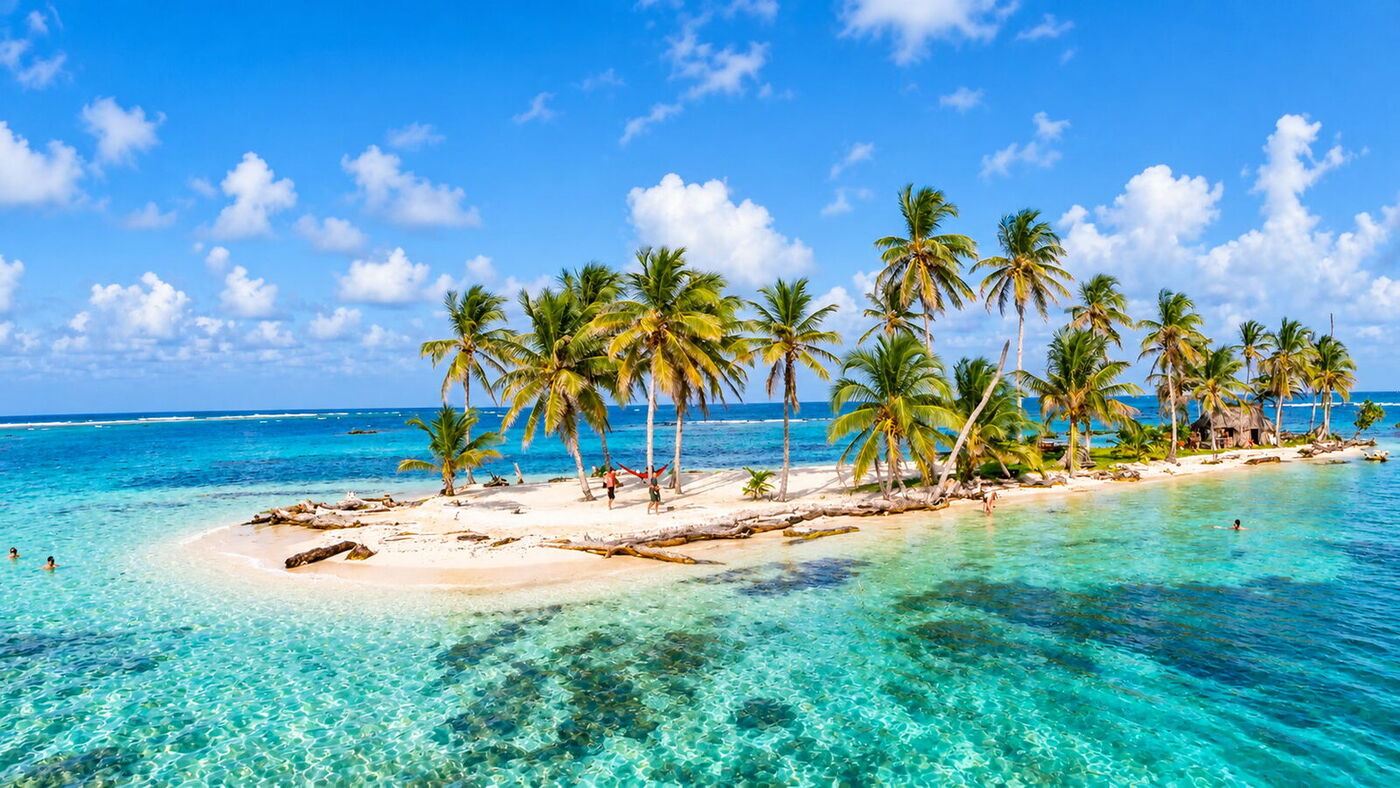 Deserted islands & secluded beaches
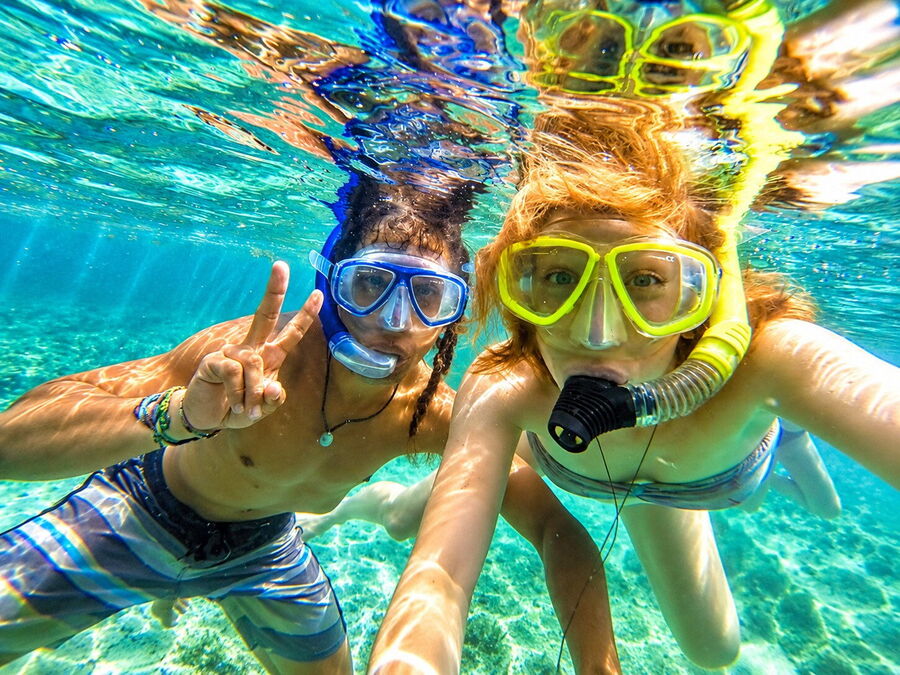 Snorkeling in crystal clear waters
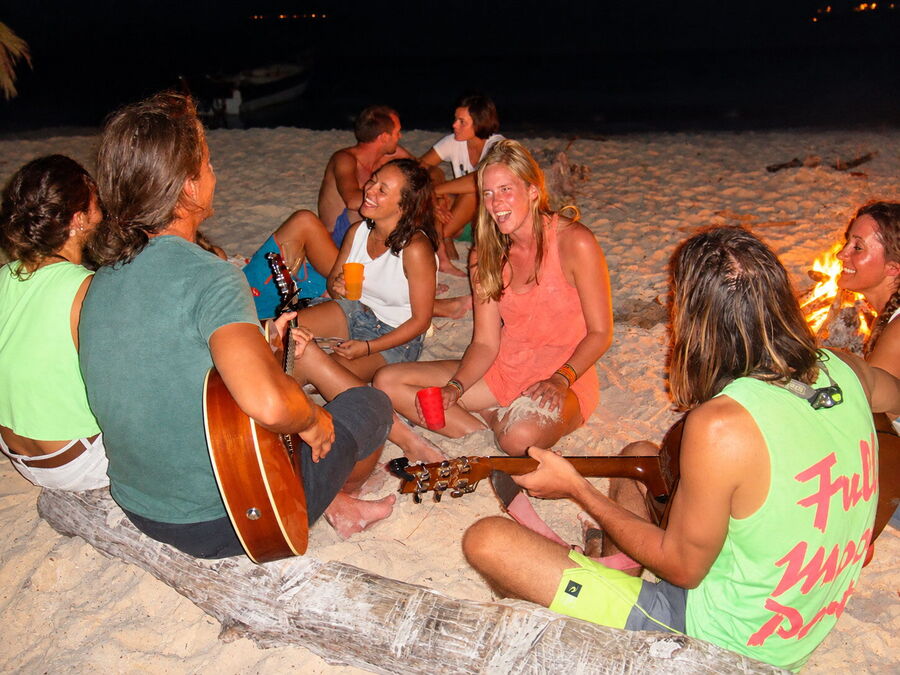 Sunset cocktails & bonfire nights
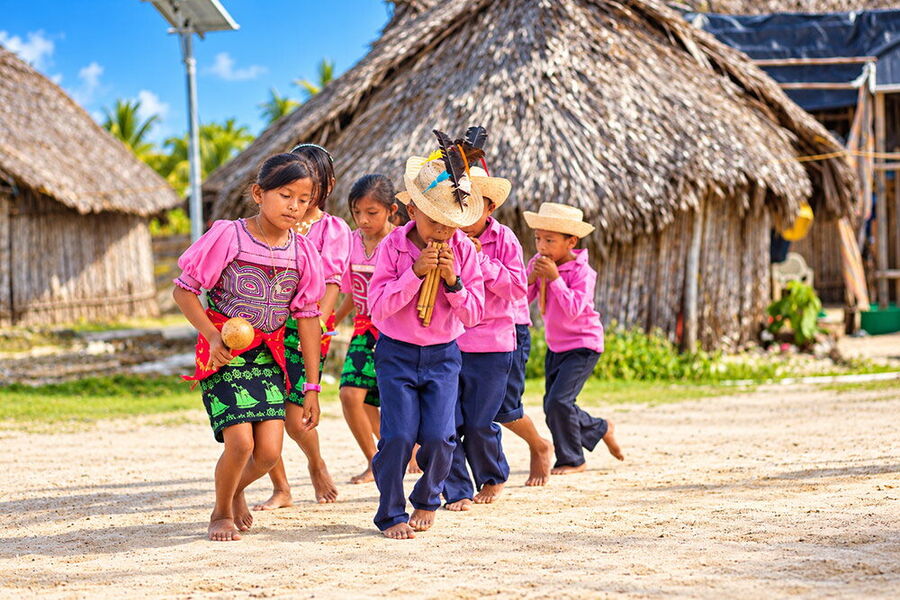 Indigenous community experience
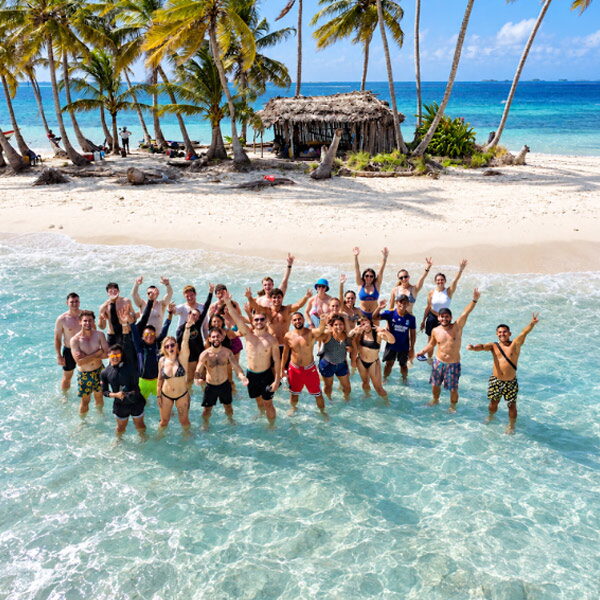
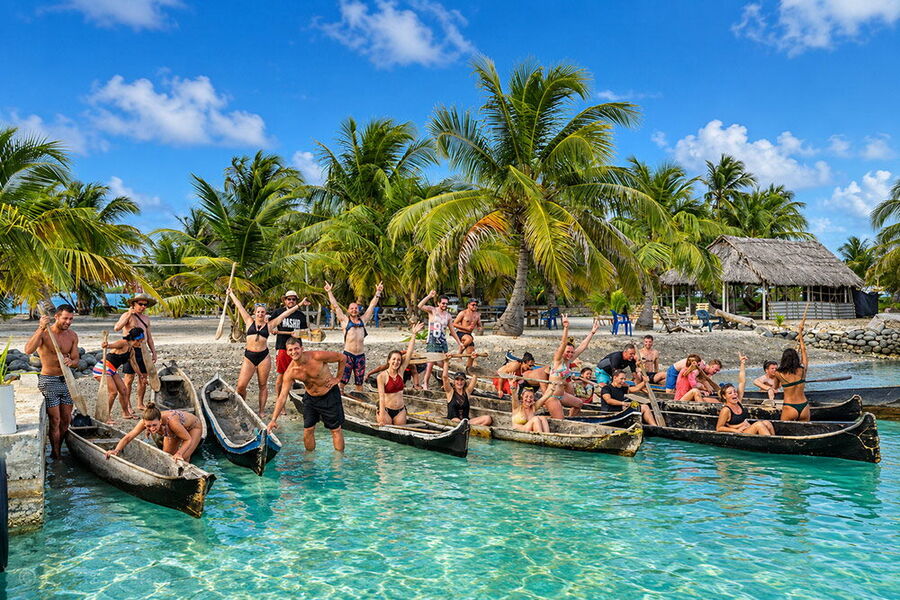 Meet new people
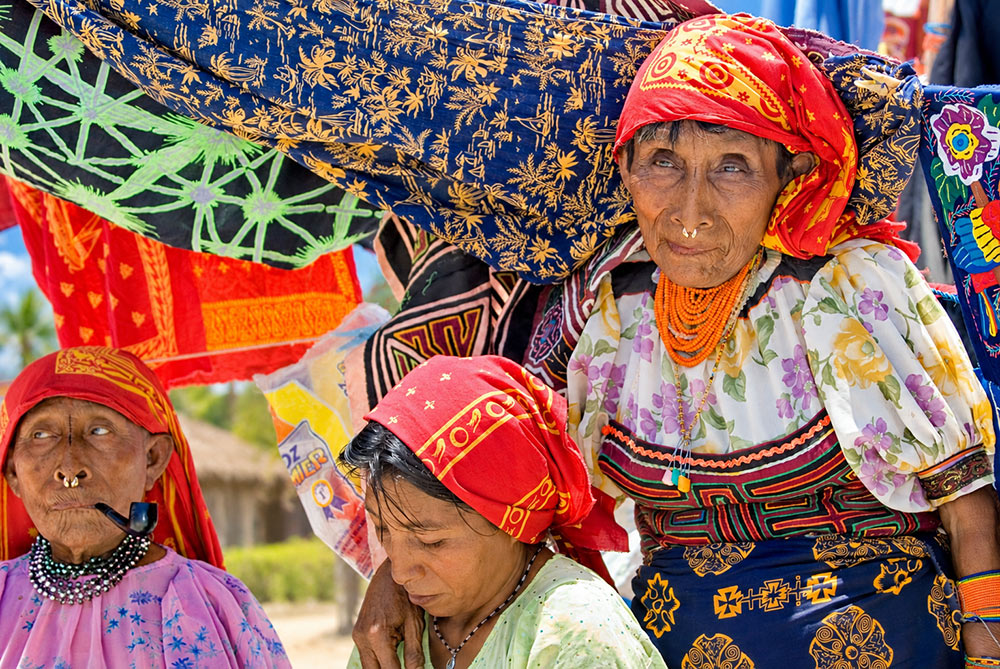 Cultural experience
More islands, less time on the boat. Around 2 hours of speedboat travel per day.
Island-hop across San Blas instead of spending 30–50 hours crossing the open Caribbean.
Explore remote islands, deserted beaches and places beyond the typical San Blas routes.
Experience island life and spend a night in a Guna community alongside our local team.
Your adventure directly supports local families and community projects.
Join our group transport in Cartagena for your Colombia to Panama speedboat trip.
Thousands of travelers.
Local knowledge of the islands and waters.
Our admin team monitors trips in real time.
Lifejackets and safety equipment on all trips.
Before, during & after your adventure.
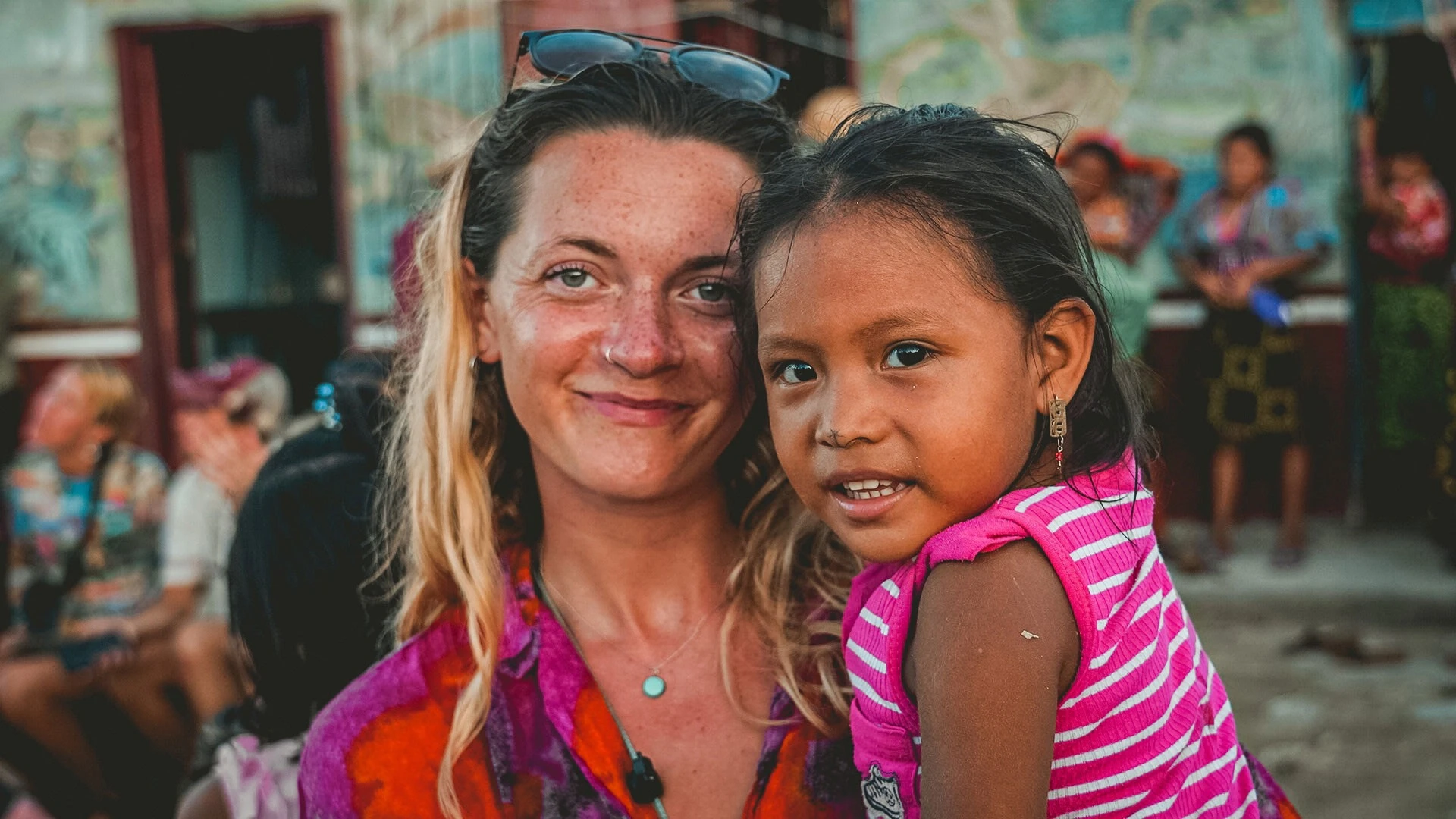
Absolute loved it. From the planning to the guides to the organization to the food and the activities. Would def recommend.
San Blas Adventures is such a unique experience. Over 4 full days of island hopping, you explore the remote San Blas Islands, snorkel in crystal-clear waters, and connect with the Indigenous culture. You’ll meet many other travelers & feel great knowing you’re supporting local communities. Honestly, one of the best experiences of my life!
A must-do for anyone who wants to cross between Colombia & Panama!
The food was as delicious as the paradise Caribbean islands and it was great to learn so much about the Kuna community. Huge shout out to the red heart on the mashed potato. My favourite part of the trip. And thank you ruby and molly for making the adventure feel so relaxed and fun <333333
I had the best time!! An amazing 5 days exploring and seeing the islands. Our guide ruby was amazing and the volunteers Kya and mollie were so much fun. Highly recommend!!
After travelling to 50 countries, this trip was by far my highlight. The views, the vibes, the group and especially Noa have made this the best trip I have ever done. Would 100% do it again
The Panama to Colombiansail with San Blas Adventures was one of our highlights of our 4 month trip. The guides were absolutely incredible - Ruby, Kya and Molly ensured we all had the time of our lives. We ate the best food freshly prepared every day. Our group was awesome and very social, we played lots of card games, volleyball, swam and had lots of laughs. A highlight was also visiting the Kuna village and meeting the locals. Could not recommend this tour more! It’s worth every penny. Thanks so much Ruby, Kya, Molly and the Kuna guides.
One of the best experiences I had in the whole of central and south America.
It was well planned, with everything thought through prior to departure, and we wanted for nothing. We were well fed, watered and looked after. Seriously could not imagine having done it with anyone other than Ruby as a guide…a wealth of knowledge, well travelled and so good at keeping things organised without sapping the fun out of anything- dream team! ✨✨✨
I really recommend San Blas Adventures. It really depend what people you are going meet there. That is gonna lead the course of how much fun you are going to have. The islands are really beautiful and our guide Noa and her volunteers Marlenee and Laxmi were Really fun to be around. They literally made our trip the best one I ever had. They made it effortless to have fun. Keep on going.
Definitely recommend! Thank you Ruby for the great trip!
Best experience I have had after 3 months travelling, a must do! The guides ruby, Molly and Kya I can’t speak highly enough about. Great food, great people, fantastic activities, not one dull moment
Couldn’t have asked for a better 5 days on the San Blas islands ! Good people, pretty places and great vibes. Our tour guide Ruby was super knowledgeable, did a great job of translating for us to help communicate with the captain/ crew and other locals and cooked up amazing food the whole week ! Would definitely recommend this trip for anyone thinking about doing it !
Honestly, one of the most memorable and unique experiences of my life. The San Blas Islands are so, so beautiful, and the trip is organised in a way that lets you experience far more than a string of pretty beaches.
One of my favourite parts was spending time with the Kuna community: playing with the children, meeting local people, and hearing about the Kuna Revolution from a Kuna person themselves. Between the islands, we snorkelled, played beach volleyball, and got involved in all sorts of games that kept the whole trip feeling fun and relaxed.
The food was incredible too. Fresh lobster with huge, delicious salads was a real highlight!
I’d definitely recommend San Blas Adventures over one of the sailing trips, unless you’re especially keen on the sailing itself. From what we heard from other groups, we had much more time on the islands and nobody was sick!
A huge shout-out to our Kuna guides, who were great fun, kept us safe as we travelled between the islands, and cooked some beautiful dishes. And another huge shout-out to Jade, who was utterly fantastic. She brought so much energy to the group, kept everything organised, translated Spanish for us, made sure everyone was having a brilliant time, and somehow also cooked us some incredible meals.
Go into it ready for a proper adventure. Unexpected things will happen. We got caught in a storm and couldn’t reach the final island. You’ll sleep in hammocks, possibly have a bucket shower, and almost certainly get soaked on the boat at some point. But these are some of the moments I’ll remember most!
My only minor complaint was the payment process. Having to withdraw and carry such a large amount of cash felt awkward, and getting hold of the exact amount was a bit of a faff. Still, it was a small inconvenience in an otherwise unforgettable trip. I’d do it again in a heartbeat.
Had an amazing time travelling by speedboat from Panama to Colombia! Our guide Jade was awesome and I had such a great time visiting some of the most beautiful islands in the world and connecting with local indigenous communities and learning about their culture too!
Couldn’t recommend this tour more! It was an amazing experience from start to finish. Jade was enthusiastic and kept us well informed throughout, and I was especially grateful that my dietary requirements were so well catered to.
Visiting the Kuna communities, beautiful islands and meeting such a lovely group of people made this a truly special and unforgettable trip.
Tim and Orla were great guides. They made the trip fun and informative. The food was really good and I would recommend highly.
Had a blast, thanks to our guide Jade!🍀
We went from Panama to Columbia with San Blas Adventures. We were able to experience several beautiful and different islands, great food, and get an insight into the Kuna culture. Our guide Jade was great and made each day really fun for us. Highly recommend this experience!
Such an incredible trip!! Our guide Jade was outstanding, she kept everything running smoothly and the meals she cooked were delicious. We were all very sad to be leaving the San Blas by the end of the week!

For solo travelers, couples, friends, groups, family & private group. For anyone seeking an adventure of a lifetime!
By choosing San Blas Adventures, you directly support local families and communities across the San Blas region.
Responsible Tourism




Make your dream adventure happen for less.

Choose your direction, secure your spot and join thousands of happy travelers!
Book Your Trip Now